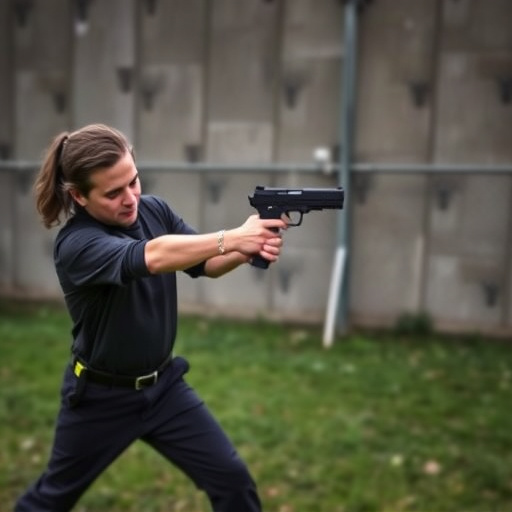
Stun gun stopping power ratings measure effectiveness and shock intensity, with higher ratings indicating stronger shocks. Safe usage requires understanding these ratings, proper training, legal compliance, and prioritizing de-escalation tactics. Hold stun guns responsibly, aim for the center of mass, and store them securely after use to minimize risks while maximizing their temporary incapacitation power. Always check local laws and learn correct techniques to safely deploy stun guns as effective personal safety tools.
“Uncover the power behind stun guns with our comprehensive guide to stopping power ratings. Understanding these ratings is crucial for making informed decisions, as they indicate a device’s effectiveness in incapacitating an assailant. Factors like voltage, current, and delivery method play a vital role in its success. Learn how to choose, handle, and deploy stun guns safely, explore legal considerations, and discover real-world applications, all while mastering the art of How to Safely Use Stun Guns effectively.”
- Understanding Stun Gun Stopping Power Ratings: What They Mean
- Factors Influencing Stun Gun Effectiveness
- How to Choose the Right Stun Gun for Your Needs
- Safely Handling and Deploying a Stun Gun
- Legal Considerations and Regulations
- Real-World Applications and Success Stories
Understanding Stun Gun Stopping Power Ratings: What They Mean

Stun gun stopping power ratings are a measure of the effectiveness of a stun device in incapacitating an assailant. These ratings provide crucial insights into how powerful a stun gun is and its ability to stop an attack quickly and safely. When considering how to safely use stun guns, understanding these ratings is essential. They typically indicate the amount of electrical current delivered by the device, measured in milliamperes (mA).
A higher stopping power rating suggests that the stun gun can deliver a stronger shock, leading to faster muscle disruption and temporary paralysis. However, it’s important to note that these ratings don’t necessarily correlate with the level of pain experienced. Safely using a stun gun involves understanding its capabilities and limitations, ensuring proper training, and adhering to legal guidelines.
Factors Influencing Stun Gun Effectiveness
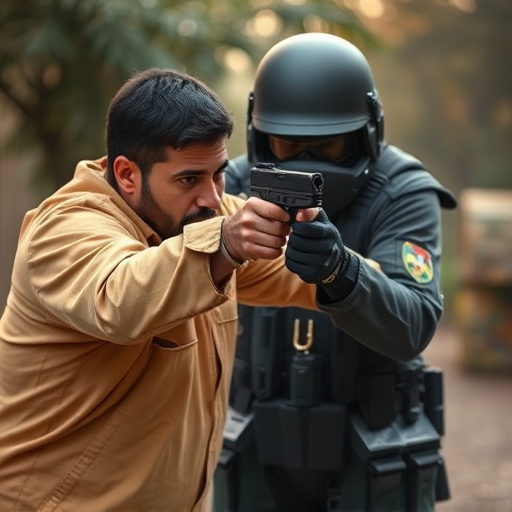
Stun guns, also known as Tasers, are designed to temporarily incapacitate a target with an electric shock, rendering them defenseless for several seconds. However, their effectiveness can be influenced by various factors. One of the primary considerations is the stun gun’s stop-power rating, which measures the energy delivered in joules and determines its impact on the body. Higher ratings generally mean more intense jolts and faster response times.
Additionally, the distance between the user and target plays a crucial role. Stun guns are most effective at close range, typically within 2 to 3 meters (6 to 10 feet). Beyond this distance, the shock may not be powerful enough to stun larger or more muscular individuals effectively. User technique is also essential; proper training ensures accurate targeting of nerve centers, maximizing the stun gun’s impact while minimizing collateral damage and risks associated with unsafe use. How to safely use stun guns is a vital aspect that users should understand thoroughly before employing such devices.
How to Choose the Right Stun Gun for Your Needs
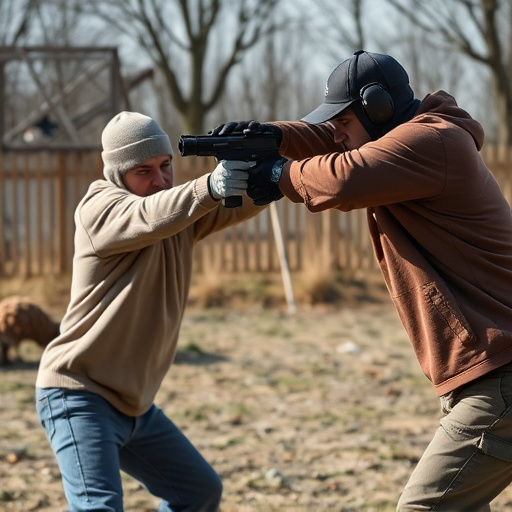
When selecting a stun gun, understanding its stopping power ratings is crucial. These ratings typically measure the amount of electrical current and the duration of the shock, which directly impact effectiveness. However, the right choice depends on your specific needs and safety considerations. If you’re looking to deter an attacker in close quarters, a higher voltage stun gun with a longer pulse duration may be suitable. For personal protection at home or in your vehicle, lower voltage models can still deliver a powerful jolt without causing severe harm.
Remember that how to safely use stun guns is equally important. Proper training and understanding local laws are essential before considering one as a self-defense tool. Stun guns should only be used as a last resort when facing imminent physical threat, and their effectiveness can vary based on factors like the attacker’s size, strength, and access to protective gear. Always prioritize safety and consult with professionals for guidance tailored to your situation.
Safely Handling and Deploying a Stun Gun
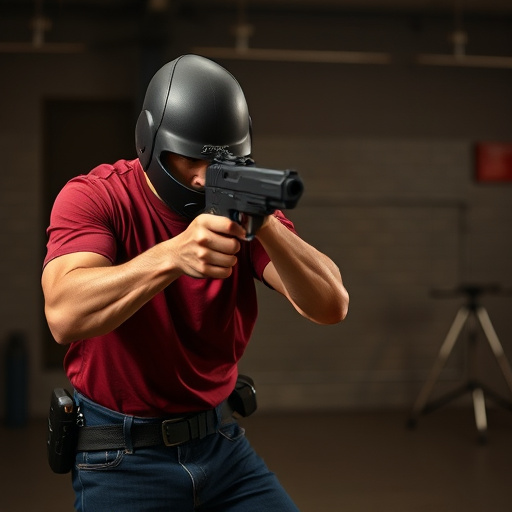
When it comes to using a stun gun, safety is paramount. Always follow proper handling procedures to ensure both your safety and that of others around you. Stun guns emit an electric current designed to temporarily incapacitate a target, but they should only be deployed in self-defense situations. Before using a stun gun, assess the threat level; if possible, de-escalate the situation through communication. Only resort to using a stun gun when necessary for self-preservation.
To safely deploy a stun gun, hold it with both hands and aim for the center of mass, typically the chest or abdomen of the target. Keep a firm grip and pull the trigger smoothly and confidently. Remember, the goal is to deliver a powerful enough shock to temporarily disrupt the target’s movements without causing serious harm. After deployment, ensure you store your stun gun in a secure location, out of reach of children and unauthorized individuals. Regularly test its functionality to maintain peace of mind and be prepared for any unexpected situations.
Legal Considerations and Regulations
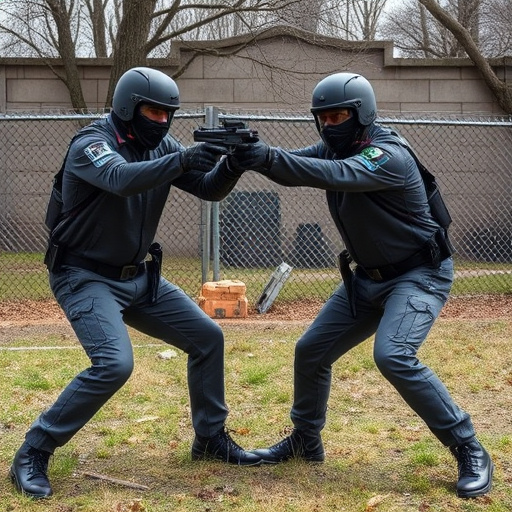
When considering how to safely use stun guns, understanding legal considerations and regulations is paramount. The use of stun guns, also known as electric sting devices, is governed by state and local laws, which vary widely across different regions. It’s crucial to research and comply with these laws, including age restrictions, permit requirements, and places where their use is permitted or prohibited.
Before deploying a stun gun, ensure that you are in a jurisdiction that allows its possession and use for self-defense. Check for any specific regulations regarding power ratings, as higher voltage can come with increased legal repercussions. Always carry your stun gun responsibly, keeping it out of reach of children and unauthorized individuals. Additionally, familiarize yourself with the device’s safety features and proper usage techniques to minimize risks while maximizing its stopping power when needed.
Real-World Applications and Success Stories
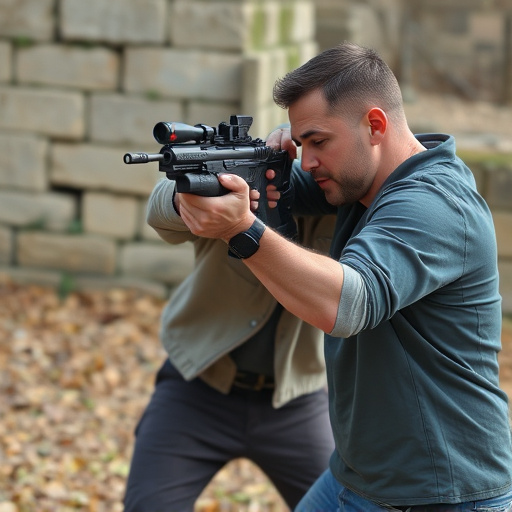
In real-world applications, stun guns have proven their stopping power in various scenarios, offering a non-lethal solution for self-defense. Their effectiveness is often measured through success stories shared by law enforcement agencies and individuals who have used them to subdue assailants safely. These devices emit an electric current that disrupts the neuromuscular system, causing muscle control loss and temporary paralysis, allowing users to escape dangerous situations.
Learning how to safely use stun guns is crucial. Many successful deployments are attributed to proper training and understanding of the device’s limitations. Users must be aware of the range, activation methods, and safety features to ensure optimal effectiveness while minimizing risks. With correct usage, stun guns can deter attacks and provide vital time for escape, making them valuable tools in personal safety strategies.
Stun guns, with their impressive stopping power ratings, offer a crucial self-defense tool for individuals seeking personal safety. By understanding the factors influencing their effectiveness and choosing the right model for specific needs, users can ensure optimal performance. Safe handling and deployment practices, combined with awareness of legal considerations, empower individuals to make informed decisions when it comes to protecting themselves. Embracing real-world applications and success stories underscores the reliability of stun guns as a viable self-defense solution. Remember, proper training and responsible use are paramount to safely leveraging the stopping power of stun guns.