
Taser deployment, or use of electronic control devices (ECDs), requires careful training, protocol adherence, and awareness of variables affecting paralysis duration. Key factors include device model, target's physicals, strike location, and environmental conditions. Understanding these ensures safe, effective usage while minimizing risk of prolonged paralysis or injury. Proper medical considerations post-deployment are crucial for individual safety. Legal implications vary by jurisdiction, emphasizing the need for trained officers to recognize appropriate use cases and minimize harm.
“Exploring the duration of paralysis caused by taser deployment is crucial in understanding the implications and safety measures surrounding these stun guns. This article delves into the factors affecting the time individuals remain paralyzed after a taser activation, offering insights that are essential for both law enforcement and civilians who carry stun guns. By examining the science behind taser deployment, its effects on the body, and subsequent medical considerations, we aim to provide a comprehensive guide on how to safely use stun guns.”
- Understanding Taser Deployment and Its Effects
- Factors Influencing Paralysis Duration
- Safety Measures and Best Practices for Stun Gun Use
- Medical Considerations After Taser Activation
- Legal Implications and Training Requirements
Understanding Taser Deployment and Its Effects

Taser deployment, or the use of electronic control devices (ECDs), is a controversial yet powerful tool employed by law enforcement and security personnel for crowd control and self-defense. When activated, these stun guns deliver an electrical current through two probes connected to thin wires, temporarily incapacitating the target. Understanding the mechanics behind Taser deployment is crucial in comprehending its effects on the human body and, consequently, how to safely use stun guns.
The duration of paralysis from Taser deployment varies based on factors such as the model of the device, the distance between the probes and the target, and the individual’s physical condition. While the initial shock can last just a few seconds, the total paralysis can extend for up to several minutes. It’s essential to highlight that safe usage involves proper training, adherence to protocol, and minimizing the risk of injury by ensuring accurate targeting and awareness of environmental hazards during deployment.
Factors Influencing Paralysis Duration
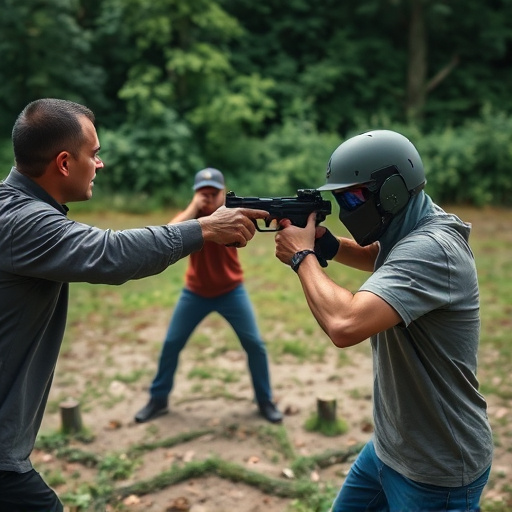
The duration of paralysis caused by a taser deployment can vary significantly and is influenced by several factors. One key factor is the model and power output of the stun gun used; higher voltage devices may result in longer periods of immobilization. The target’s physical attributes, such as body mass and muscle density, also play a role—individuals with more lean muscle mass might experience shorter durations due to faster nerve recovery. Additionally, the location of the taser strike matters; striking vital areas like the chest or abdomen can prolong paralysis.
Understanding these variables is crucial when considering how to safely use stun guns. Training and proficiency in deploying tasers are essential to ensure accurate targeting and minimize unnecessary prolongation of paralysis. Operators should also be aware of their surroundings, as environmental factors like temperature and humidity might affect device performance and the subject’s response.
Safety Measures and Best Practices for Stun Gun Use
When it comes to understanding the safety measures and best practices for stun gun use, knowledge is key. Before deploying a taser, users should receive proper training to ensure they understand its capabilities and limitations. This includes learning about the different settings and how to accurately assess a situation to avoid unnecessary or prolonged deployment, which could potentially lead to adverse effects or an extended period of paralysis.
Following manufacturer guidelines and safety protocols is essential for how to safely use stun guns. This involves understanding the range of effectivity and ensuring the target is within the recommended distance. Additionally, users should be aware of nearby bystanders and potential hazards to minimize risk. Regular maintenance and inspections are also crucial to guarantee the device functions correctly and safely in emergency situations.
Medical Considerations After Taser Activation
After a stun gun, or Taser, is deployed, individuals may experience temporary paralysis for a duration ranging from several seconds to a few minutes. During this time, proper medical considerations come into play to ensure the safety and well-being of the person affected. The first step is to assess if there are any underlying medical conditions that could be exacerbated by the shock, such as heart problems or breathing difficulties. If these conditions exist, immediate medical attention should be sought, as the electrical current from a Taser could potentially trigger a more severe episode.
Additionally, it’s crucial to monitor vital signs, especially in cases of prolonged immobilization. This includes checking for proper breathing and maintaining an open airway, which might require assistance if consciousness is lost or respiratory distress occurs. Hydration is also essential; ensuring the individual stays hydrated during recovery can help prevent additional health complications. Lastly, how to safely use stun guns involves educating users about post-deployment care, including when to call emergency services and what actions to take until help arrives.
Legal Implications and Training Requirements

The safe deployment of stun guns, or tasers, is a critical aspect not only for law enforcement officers but also for the public’s well-being. Legal implications surrounding their use vary by jurisdiction, with some areas limiting their application to specific situations and others permitting wider use. Understanding these legal boundaries is crucial to ensure compliance and mitigate potential risks. Officers must be trained in the correct procedures for taser deployment, including recognizing when it is appropriate and how to safely de-escalate a situation without causing prolonged paralysis or injury.
Proper training equips officers with the skills to navigate complex scenarios, ensuring they use force only as a last resort. It involves learning to assess risk, identify potential triggers for subjects, and employ tasers in a way that minimizes harm while effectively immobilizing individuals. This training is vital not only to prevent legal repercussions but also to foster public trust by demonstrating responsible stun gun usage.
Understanding the duration of paralysis after Taser deployment is crucial for both law enforcement and individuals seeking self-defense options. This article has explored various factors, from physiological reactions to environmental conditions, that can influence this critical period. By understanding these variables, we can enhance safety measures when using stun guns. Adhering to best practices, including proper training and equipment maintenance, is essential to ensure the safe and effective use of stun guns, ultimately promoting public safety and minimizing potential risks associated with Taser deployment.